Expert Stove & Oven Repair in Chestnut Hill, MA
Appliance Repair for Homes & Businesses in Chestnut Hill, Massachusetts and Nearby Areas
Stove and Oven Repair in Chestnut Hill, Massachusetts | Appliance Repair Pros
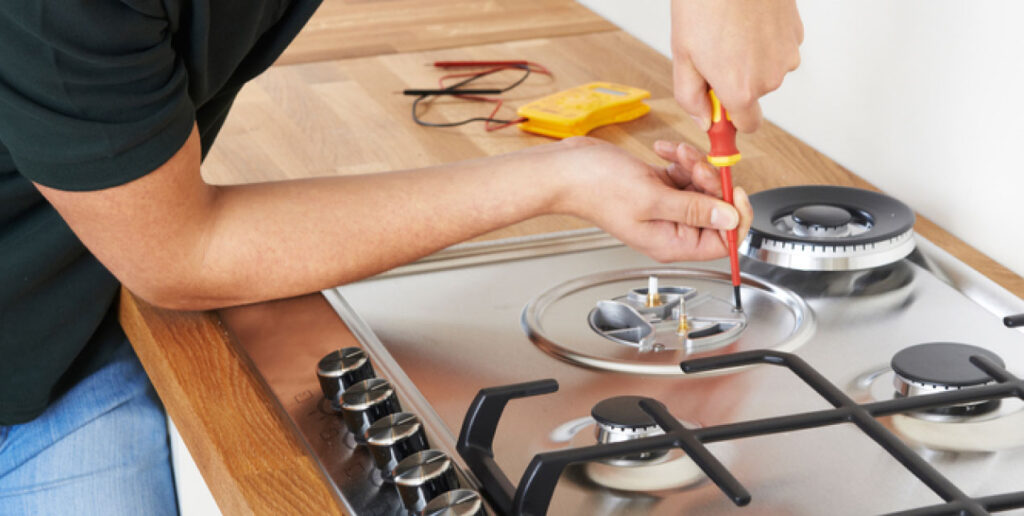
Stove and Oven Repair in Chestnut Hill, Massachusetts is vital for keeping your kitchen functional and your family fed. At Appliance Repair Pros we know that a broken range disrupts your daily life. Whether you are unable to boil water for pasta or your oven refuses to roast a chicken for Sunday dinner we are here to help. We serve homeowners throughout Chestnut Hill and the nearby areas of Newton and Brookline. Our technicians work on everything from vintage gas ranges in historic homes to sleek induction cooktops in modern condos. We handle gas leaks temperature inconsistencies and electrical failures with precision and care.
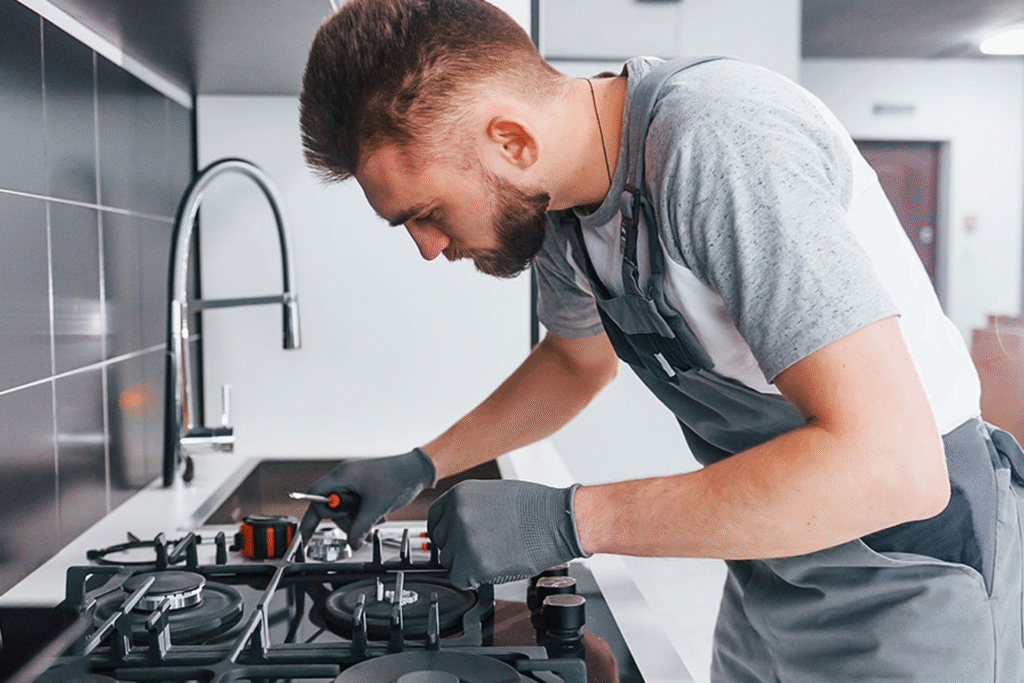
We approach every repair with a commitment to safety and respect for your home. We understand that cooking appliances involve high voltage electricity and combustible gas which requires professional attention. Our team uses protective floor coverings to safeguard your kitchen and we perform rigorous testing to ensure your appliance is safe to use. From diagnosing a faulty igniter to replacing a cracked glass cooktop we focus on the root cause of the problem. We provide clear answers and reliable solutions so you can return to cooking with confidence.
Contact us today.
Stove and Oven Repair Services in Chestnut Hill
The kitchen is the heart of the home and the stove is its engine. Modern cooking appliances come in many forms each with its own set of technical requirements. We provide comprehensive repair services for all major types of cooking equipment. We understand the specific needs of Chestnut Hill kitchens where professional grade appliances and dual fuel ranges are common. We also handle standard electric coil stoves found in rental properties near the university area. Our goal is to restore accurate temperature control and reliable ignition to your unit.
Oven and Stove systems we work on:
- Gas ranges and standalone stoves
- Electric ranges with coil or glass tops
- Built in single and double wall ovens
- Gas cooktops and rangetops
- Induction cooktops
- Dual fuel ranges with gas tops and electric ovens
- Slide in and drop in ranges
- Warming drawers and convection ovens
What makes stove and oven repair tricky:
- Gas safety valves and pressure regulators
- High voltage circuits in electric units
- Complex electronic control boards
- Hidden temperature sensors and thermal fuses
- Ceramic glass surfaces that require delicate handling
- Convection fan motors and heating elements
- Door lock assemblies for self cleaning cycles
- Ignition modules and spark electrodes
Common Stove and Oven Problems We Fix
Oven Will Not Heat Up
When you turn your oven on and it remains cold it ruins your meal plans. This is the most common issue we see in Chestnut Hill kitchens. For gas ovens it often means the igniter has weakened and cannot open the gas valve. For electric ovens it usually points to a broken heating element or a tripped internal fuse.
- Bake igniter glows but does not light the gas
- Hidden bake element is burned out
- Thermal fuse has blown due to overheating
- Control board relay is not sending power
- Loose wire connection at the terminal block
- Gas supply valve is closed
How we diagnose it
On gas units we observe the amperage draw of the igniter. If it is weak it will not open the safety valve. On electric units we test the element for continuity using a multimeter. We also check the power supply at the wall to ensure the unit is receiving the full 240 volts required for heating.
What you can do right now
Check your clock. If the clock is not set or is flashing some ovens will not start. Verify that the unit is not in “Demo Mode” or “Sabbath Mode” which disables heating. Check your home circuit breaker to see if it has tripped.
Gas Burner Clicks But Will Not Light
The clicking sound of a gas burner is the spark trying to ignite the fuel. When it clicks continuously without lighting it can be annoying and indicates a fuel or spark issue. This is frequent in older homes in the area where gas ranges are the standard. It often happens after a spill or cleaning.
- Burner cap is misaligned
- Spark electrode is dirty or wet
- Ignition module has failed
- Food debris is blocking the gas port
- Spark wire is loose or broken
- Gas regulator is faulty
How we diagnose it
We lift the burner cap to inspect the electrode. We check for a strong blue spark. If the spark is weak or yellow the module may be failing. We also clean the gas ports to ensure gas is flowing freely to the ignition point. We verify that the gas pressure is adequate for the appliance.
What you can do right now
Remove the burner cap and the aluminum base. Clean them thoroughly with warm water and a toothbrush. Dry them completely before reassembling. Moisture is the enemy of a good spark. Ensure the cap sits flat and level on the base.
Electric Burner Is Not Working
On an electric stove having one burner out limits your cooking capacity. Whether it is a solid coil or a radiant element under glass the cause is usually a break in the electrical path. Sometimes the switch that controls the heat level wears out causing the burner to stay on high or not work at all.
- Infinite switch is defective
- Element socket is burned or corroded
- Radiant element strip is broken
- Coil element is physically damaged
- Loose wire connection to the burner
How we diagnose it
We test the element for resistance. If the element is good we test the switch contacts to see if they are closing when the knob is turned. On glass tops we remove the main top to inspect the radiant ribbons for breaks or burnt spots.
What you can do right now
For coil tops unplug the unit and wiggle the element into the socket to ensure it is seated firmly. Swap the non working element with a working one of the same size to see if the problem follows the element or stays with the socket.
Oven Temperature Is Incorrect
If your cookies are burning or your roasts are undercooked your oven needs calibration. Over time temperature sensors can drift out of specification. This leads to hot spots or overall temperature variances that make following a recipe impossible.
- Temperature sensor is resistant or faulty
- Convection fan is not circulating air
- Control board calibration is off
- Oven door gasket is torn leaking heat
- Thermostat bulb is out of place
- Vent is blocked
How we diagnose it
We use a digital thermometer to measure the average temperature over several cycles. We compare this to the set temperature. We test the resistance of the oven sensor at room temperature. We also inspect the door seal to ensure heat is not escaping which causes the oven to overwork.
What you can do right now
Buy a cheap oven thermometer and place it on the center rack. Preheat the oven and wait twenty minutes. Compare the reading. If it is consistently off by 25 degrees or less you may be able to adjust the offset in the user settings menu.
Oven Door Is Stuck Shut
A locked oven door is often the result of a self cleaning cycle gone wrong. The lock motor engages to prevent opening during high heat but if it fails or the sensor gets too hot the door refuses to open. This leaves your oven useless and your dinner trapped.
- Door lock motor assembly failed
- Temperature sensor reads too hot
- Control board logic error
- Bent door latch hook
- Wiring harness melted during self clean
How we diagnose it
We attempt to cancel the cycle to see if the lock releases. If not we access the lock mechanism usually from the back or top of the unit to manually release it. We then test the motor and switches to determine why it failed to retract.
What you can do right now
Wait for the oven to cool down completely. The lock will not release if the internal temperature is unsafe. If it has been cool for hours turn off the circuit breaker for five minutes and turn it back on to reset the control board.
Glass Cooktop Is Cracked
Dropping a heavy pot or a spice jar can crack the ceramic glass surface of a modern range. This is not just a cosmetic issue. It is a safety hazard as liquids can seep into the high voltage electronics below. This creates a risk of shock and short circuits.
- Impact from heavy object
- Thermal shock from cold water on hot glass
- Using oversized cast iron pans
- Sugar based spills causing pitting
How we diagnose it
Visual inspection is the key here. We assess if the crack extends over an element area. If the glass is cracked the entire top assembly must be replaced. We cannot patch glass cooktops safely.
What you can do right now
Stop using the stove immediately. Do not cook on a cracked surface. If liquid spills into the crack flip the breaker to the unit to prevent electrical damage. Cover the crack with tape only to prevent injury until it can be repaired.
Gas Smell When Using the Stove
The smell of gas is a serious warning sign. It indicates a leak that could be dangerous. In Chestnut Hill older piping and valves can sometimes develop small leaks. Or a burner might not be igniting allowing gas to escape unburned.
- Igniter is too weak to light gas quickly
- Gas valve seal is worn
- Burner ports are clogged
- Connection at the regulator is loose
- Oven safety valve is seeping
How we diagnose it
We use an electronic gas leak detector to sniff out the source of the leak. We check all joints and valves. We also time how long it takes for the burner to light. Delayed ignition is a common cause of gas odors during startup.
What you can do right now
Turn off the burner. Open windows to ventilate the kitchen. If the smell persists when the stove is off turn off the main gas shutoff valve behind the unit and call us or your gas company immediately.
Uneven Baking Results
If cakes rise on one side but not the other or one rack burns while the other is raw airflow is usually the problem. In convection ovens the fan is critical for even heat distribution. If the fan fails the oven reverts to radiant heat which is less uniform.
- Convection fan motor burned out
- Fan blade is loose or obstructed
- Bottom element is not working
- Oven racks are not level
- Using dark pans that absorb heat too fast
How we diagnose it
We test the convection fan motor to ensure it spins freely and receives power. We check the oven leveling legs to ensure the unit is perfectly flat. We also verify that both top and bottom elements are cycling on and off correctly to maintain balance.
What you can do right now
Place a level on the oven rack. If it is not level adjust the feet at the bottom of the range. Avoid covering the racks with aluminum foil as this blocks proper airflow and heat circulation.
Safety Notes for Stove and Oven Issues
Stoves and ovens are the only appliances in your home designed to generate intense heat. This makes safety a top priority. In the wood framed homes of Chestnut Hill preventing fire hazards is essential. Gas leaks and electrical shorts can escalate quickly if ignored.
- If you smell rotten eggs or gas: Turn off all burners immediately. Do not touch any light switches or electrical devices as a spark could ignite the gas. Open windows and leave the house. Call the gas company or emergency services from outside.
- If you see sparks or smoke from the back of the range: This indicates an electrical short often at the terminal block. Turn off the circuit breaker to the oven immediately. Do not use water on an electrical fire. Use a fire extinguisher rated for electrical fires.
- If the glass door shatters: Keep children and pets away. The glass is tempered and will break into small pieces but they can still cut. Wait for the oven to cool completely before attempting to clean it up.
- If flames appear inside the oven: Do not open the oven door. Oxygen will feed the fire. Turn off the oven and leave the door closed. The fire should suffocate on its own. If it does not call the fire department.
Brands We Service for Stove and Oven Repair in Chestnut Hill
From commercial style ranges to standard electric stoves we have experience with the brands found in local kitchens. We know that a Wolf range requires a different approach than a GE electric stove.
Whirlpool Family and Similar Designs
Whirlpool Maytag KitchenAid and Amana are staples in many homes. Their gas ranges often use a glow bar igniter system that is reliable but wears out over time. Their electric ovens use standard heating elements that are easy to service.
Common issues we see with these models:
- Igniter failure causing the oven not to light
- Control board “F1” errors requiring replacement
- Spark module failure on gas cooktops
- Door hinges wearing out and not closing tight
We keep replacement igniters and standard elements for these brands in stock to ensure quick repairs.
GE Family
GE and Hotpoint ranges are known for durability. The older XL44 series is legendary for its longevity. Newer GE Profile and Café lines feature advanced electronics and dual fuel options that require precise diagnostics.
Common issues we see with these models:
- Sensor failure causing F3 or F9 errors
- Meat probe jack shorting out
- Convection fan noise
- Burner switches failing on glass tops
Correct diagnosis is key for GE units as control board issues can mimic sensor failures.
Samsung and LG
These brands bring high tech features to the kitchen including Wi-Fi and “Air Fry” modes. They rely heavily on sensors and electronic components. Samsung gas ranges often have specific igniter requirements while LG electric ovens use complex relay boards.
Common issues we see with these models:
- Temperature calibration drifting
- Touchscreen or knob interface failure
- Oven not heating due to weak igniter
- Fan motor noise
We are familiar with the “hidden” service menus on these units that allow us to test individual components.
Bosch and Thermador
Found frequently in the renovated kitchens of Chestnut Hill these premium brands offer high performance. Thermador is famous for its star shaped burners and extra low simmer features which use a specific cycling solenoid. Bosch electric ovens are known for precision.
Common issues we see with these models:
- Simmer controller failure on gas ranges
- Relay board failure
- Door seal issues affecting baking
- Error codes related to cooling fans
We carry the specialized tools needed to access the internal components of these high end built in units.
Frigidaire and Electrolux
These brands offer stylish options at a good value. They are common in many condos and apartments. They often use a thermal probe to regulate temperature and have specific fault codes that point to open circuits.
Common issues we see with these models:
- Surface element relay failure
- Oven control board beeping continuously
- Bake element burning out and blistering
- Leveling legs seizing up
We check the wiring harnesses on these units carefully as heat stress can cause connections to loosen over time.
Understanding Common Stove and Oven Error Codes
Modern ovens talk to you through error codes. While they look alarming they are helpful clues for our technicians. They tell us which circuit the computer thinks is failing.
- F0 or F1: Electronic control board failure or stuck key on the touchpad. The oven may beep constantly.
- F2: Oven temperature is too high. This indicates a runaway temperature condition often caused by a stuck relay.
- F3 or F4: Open or shorted temperature sensor. The oven thinks it is 500 degrees when it is cold or vice versa.
- F5: Door lock and switch failure. The oven thinks the door is locked when it is open or open when it is locked.
- F7: Function key is stuck. Usually requires cleaning or replacing the user interface.
- F9: Component failure often related to the door latch or automatic lock.
- F30 or F31: Specific to some brands indicating an issue with the sensor probe or shorted wiring.
Maintenance Tips for Stove and Oven Owners in Chestnut Hill
Taking care of your range can prevent costly breakdowns. In Chestnut Hill where holiday hosting and family dinners are common keeping your stove ready for action is important.
Clean Spills Immediately: Acidic spills like tomato sauce or lemon juice can eat into the enamel floor of the oven. Sugary spills on a glass cooktop can cause pitting. Wipe them up as soon as the surface is cool enough to touch safely.
Do Not Use Foil on the Bottom: Never line the bottom of your gas or electric oven with aluminum foil. It blocks airflow reflects heat back at the heating element causing it to fail and can melt onto the surface permanently. Place a baking sheet on the rack below the food instead.
Clean the Hood Filter: A greasy hood filter restricts airflow and can be a fire hazard. Soak metal mesh filters in hot soapy water or run them through the dishwasher to keep your kitchen ventilation working well.
Check the Gasket: The rubber seal around the oven door keeps heat in. If it is torn or brittle heat escapes. This forces the oven to run longer and damages the knobs and control panel above the door.
Exercise the Gas Valves: If you have a gas range turn the shutoff valve behind the unit off and on once a year. This keeps it from seizing up so it works in an emergency.
Calibrate if Needed: If you feel your oven is consistently hot or cool check your manual. Many models allow you to adjust the temperature by up to 35 degrees without tools.
Service Area for Stove and Oven Repair in and Around Chestnut Hill Massachusetts
We are a local business dedicated to serving the Chestnut Hill area. We know the neighborhoods from the historic homes near the reservoir to the busy commercial areas along Route 9. We provide fast reliable service to the 02467 zip code and the surrounding towns.
We provide service to the following nearby areas:
- Chestnut Hill
- Newton Centre
- Brookline
- Waban
- West Roxbury
- Jamaica Plain
- Brighton
- Newton Highlands
Zip codes we serve: 02467, 02445, 02446, 02459, 02460, 02135
Frequently Asked Questions
Why does my gas oven smell like gas when I turn it on?
A slight smell upon ignition is normal as the valve opens before the gas lights. However if the smell is strong or persists for more than a few seconds the igniter may be weak. A weak igniter takes too long to get hot enough to light the gas allowing unburned fuel to escape. This requires replacement.
Is it expensive to fix a glass cooktop?
Replacing a glass cooktop is one of the more costly repairs because the part itself is expensive. If the range is older it might be more economical to replace the unit. If it is a high end induction model repair is usually the better option. We help you weigh the costs.
Can I use the self cleaning feature on my older oven?
We advise caution with the self clean feature on ovens older than ten years. The extreme heat can stress aging electronic components and cause fuses to blow or control boards to fail. Using a manual oven cleaner is often safer for the longevity of the appliance.
Do you repair induction cooktops?
Yes we repair induction units. These use magnetic fields to heat the pan directly and rely on complex electronics. We troubleshoot power boards and user interface issues commonly found in these modern appliances.
Why is my electric burner only working on high?
This indicates a failure in the infinite switch behind the knob. The internal contacts have welded together in the “on” position preventing it from cycling on and off to create lower heat levels. We can replace the switch to restore temperature control.
How long does it take for an oven to preheat?
A standard electric oven should reach 350 degrees in about 15 to 20 minutes. Gas ovens are often slightly faster. If your oven takes 30 minutes or more to preheat it usually means the hidden bake element is broken and the unit is heating solely with the broil element.
Is there a stove repair technician near me?
Yes we are based locally and serve Chestnut Hill and the adjacent neighborhoods of Newton and Brookline. We can usually schedule an appointment within 24 to 48 hours to get your kitchen back in working order.
What should I do if my oven door is locked and won’t open?
Do not force it open as you will break the latch hook or the glass. Turn off the circuit breaker to the oven for five minutes to reset the computer. If it remains locked after powering back up call us to manually release it and diagnose the lock motor.
Do you fix dual fuel ranges?
Absolutely. Dual fuel ranges combine a gas cooktop with an electric oven. They offer the best of both worlds but have two distinct systems to maintain. We are qualified to work on both the gas and electric components of these units.
Can you calibrate my oven temperature?
Yes we can. We can check the actual temperature against the set temperature and adjust the offset in the control board. If the variance is too large or inconsistent it may require a new temperature sensor or thermostat.
Conclusion
Cooking is an essential part of daily life and a broken stove or oven throws a wrench in your plans. Appliance Repair Pros brings expert knowledge and local care to every job in Chestnut Hill. Whether you are dealing with a vintage gas range in a historic home or a modern wall oven in a new condo we have the solution. We focus on safety accuracy and lasting repairs.
Do not let a cold oven or a broken burner force you to order takeout again. Let us restore the heart of your kitchen. Reach out to us for assistance.