Expert Dishwasher Repair in Chestnut Hill, MA
Appliance Repair for Homes & Businesses in Chestnut Hill, Massachusetts and Nearby Areas
Dishwasher Repair in Chestnut Hill, Massachusetts | Appliance Repair Pros
Dishwasher Repair in Chestnut Hill, Massachusetts is about restoring the rhythm of your kitchen and ensuring your home runs efficiently. At Appliance Repair Pros we understand that a broken dishwasher turns a simple evening chore into a time consuming hassle. We help homeowners throughout Chestnut Hill and the surrounding communities of Newton and Brookline get their kitchens back in order. Whether you are dealing with a unit that will not drain a door that refuses to latch or dishes that come out gritty we have the skills to fix it. We work on integrated models in renovated historic homes as well as standard units in modern condos.
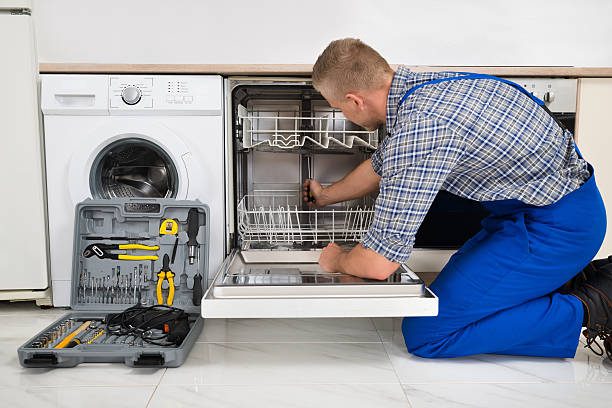
Our team approaches every job with a focus on accurate diagnostics and respect for your property. We know that water leaks can damage the beautiful hardwood floors often found in Chestnut Hill homes so we take extra precautions to protect your space. We test components thoroughly rather than guessing so you get a lasting solution. From checking the water inlet valve to inspecting the main control board we look at the entire system. We are here to provide dependable service that fits your schedule and solves the problem safely.
Contact us today.
Dishwasher Repair Services in Chestnut Hill
A modern dishwasher is a complex machine that relies on a precise balance of water temperature chemical action and mechanical force. When one part of that system fails the results are immediate and frustrating. We provide comprehensive repair services for all major configurations and styles. We understand the specific plumbing quirks that can affect appliances in the Chestnut Hill area including water pressure fluctuations and hard water mineral content. Our goal is to ensure your unit cleans and dries effectively every time you run a load.
Dishwasher systems we work on:
- Built in under the counter units
- Integrated panel ready models that match cabinetry
- Portable and rolling dishwashers
- Drawer style dishwashers
- Stainless steel tub models
- Plastic tub standard models
- Top control and front control units
- Smart dishwashers with Wi-Fi connectivity
What makes dishwasher repair tricky:
- Water leakage sensors located in hard to reach pans
- Electronic control boards that require precise voltage
- Hidden drain pumps and circulation motors
- Complex filtration systems that trap food particles
- Wax motors and solenoids for detergent release
- Variable speed motors in high efficiency units
- Steam venting systems that protect cabinetry
- Door springs and rope and pulley balance mechanisms
Common Dishwasher Problems We Fix
Dishes Come Out Dirty or Gritty
You expect your dishes to sparkle but instead they come out covered in food specks or a white film. This defeats the purpose of the appliance entirely. In Chestnut Hill we often see this issue related to hard water deposits clogging the spray arms or a failure in the water heating system. If the water is not hot enough the detergent cannot activate properly to break down grease.
- Spray arm holes are clogged with debris
- Water inlet valve is not letting enough water in
- Chopper assembly is broken or stripped
- Detergent dispenser door is not opening
- Water temperature is below 120 degrees
- Filter is completely blocked with food waste
How we diagnose it
We start by checking the water level inside the tub. If the water level is too low the pump cannot generate enough pressure to spin the spray arms. We inspect the filters and the macerator assembly. We also test the heating element and the thermostat to ensure the water reaches the sanitation temperature required for a clean wash.
What you can do right now
Check the spray arms by spinning them by hand to ensure they move freely. Remove the bottom rack and inspect the filter at the base of the tub. If it is covered in debris rinse it under hot water. Run the hot water at your kitchen sink before starting the cycle to bring hot water to the unit faster.
Water Remains in the Bottom of the Tub
Opening the door to find a pool of gray standing water is unpleasant and unsanitary. It indicates that the drain cycle did not complete. This can lead to odors and potential leaks if the door is opened without caution. Drainage issues are very common and can stem from the appliance itself or the household plumbing connection.
- Drain hose is kinked or pinched
- Air gap on the sink is clogged
- Drain pump motor has failed
- Check valve is stuck open allowing backflow
- Garbage disposal plug was not removed during installation
- Control board is not sending power to the drain pump
How we diagnose it
We listen to the pump during the drain cycle to hear if it is humming or grinding. We disconnect the drain hose to check for obstructions like glass shards or toothpicks. We also verify that the knockout plug in the garbage disposal is fully removed if you have a new disposal unit installed. We test the electrical supply to the pump to rule out a control failure.
What you can do right now
Check the air gap cylinder next to your kitchen faucet if you have one. Water should flow freely from it. Ensure the drain hose under the sink is not crushed by cleaning supplies. Run the garbage disposal to clear any food waste that might be blocking the drain path.
Dishwasher is Leaking onto the Floor
A leak is a serious issue that can cause significant damage to subfloors and cabinetry. In the finished kitchens of Chestnut Hill protecting wood floors is a priority. Leaks can occur from the front door the bottom of the unit or the water supply line. Even a small drip can cause mold growth over time.
- Door gasket is torn or brittle
- Spray arm is split and spraying at the door
- Water inlet valve is stuck open
- Pump seal is worn out
- Unit is not level causing water to slosh
- Hose clamps are loose or corroded
- Tub has a crack or pinhole
How we diagnose it
We remove the toe kick panel and use a flashlight to observe the unit while it fills and washes. We look for water dripping from the pump housing or the inlet valve. We check the door seal for alignment and flexibility. We also inspect the float switch to ensure it shuts off the water flow at the correct level.
What you can do right now
Stop the cycle and drain the unit if possible. Check the rubber seal around the door for any visible cuts or food debris preventing a tight seal. Verify that you are using the correct detergent. Regular dish soap creates excessive suds that will overflow the door vent and cause leaks.
Dishwasher Will Not Start
You load the dishes and press the start button but nothing happens. The lights might be on or the panel might be completely dark. This leaves you with a full load of dirty dishes and no way to wash them. Electronic issues and safety interlocks are often the culprit here.
- Door latch is broken or misaligned
- Thermal fuse has blown
- Main control board has failed
- User interface or touchpad is unresponsive
- Child lock feature is engaged
- Breaker has tripped in the electrical panel
How we diagnose it
We test the door switches for continuity to ensure the unit knows the door is closed. We check the thermal fuse which acts as a safety cutoff. We examine the wiring harness for any loose connections or signs of overheating. If the interface is unresponsive we test the ribbon cable connecting it to the main board.
What you can do right now
Check your home electrical panel to see if the breaker has tripped. Reset it if necessary. Look at the display to see if a lock icon is lit indicating the child lock is on. Press and hold the lock button for three seconds to disengage it. Open and close the door firmly to ensure it latches.
Dishwasher is Making Loud Noises
Dishwashers should run relatively quietly especially the high end models popular in Chestnut Hill. If you hear grinding thumping or high pitched squealing it indicates a mechanical problem. These noises often get worse over time and can lead to total component failure.
- Hard object like a bone or glass in the chopper
- Wash impeller fins are broken
- Drain pump motor bearings are worn
- Spray arm is hitting a tall plate
- Circulation motor is failing
- Unit is vibrating against the cabinet
How we diagnose it
We identify when in the cycle the noise occurs. A grinding noise during drainage points to the drain pump. A rhythmic thumping usually means a spray arm is obstructed. We inspect the pump housing for debris. We also check the leveling legs to ensure the unit is stable and not rattling against the enclosure.
What you can do right now
Open the door and spin the spray arms to see if they hit any dishes. Reposition tall items. Check the bottom of the tub for any visible silverware or hard debris that might be rattling around. Ensure the unit is not touching the adjacent cabinets.
Dishes Are Wet at the End of the Cycle
Modern energy efficient dishwashers often rely on condensation drying rather than heating elements but they should still produce dry dishes. If your plastics are soaking wet and your plates are dripping the drying system is not working. This makes unloading the dishwasher a messy chore.
- Rinse aid dispenser is empty
- Heating element is burned out
- Vent fan assembly is broken
- High limit thermostat is open
- Control board is not sending power to the heater
- Loading pattern is blocking airflow
How we diagnose it
We test the heating element for continuity. We check the dispenser assembly to see if it is releasing rinse aid. On models with a vent fan we test the motor to ensure it is exhausting humid air. We verify that the temperature sensors are reading correctly so the control board knows when to activate the drying cycle.
What you can do right now
Fill the rinse aid dispenser. Rinse aid breaks the surface tension of water allowing it to slide off dishes. Use the “Sanitize” or “Extra Dry” option if available as this increases the final rinse temperature and promotes better evaporation. Open the door slightly after the cycle ends to let steam escape.
Cycle Runs Too Long
If your dishwasher runs for three or four hours it is wasting energy and time. While eco modes are longer by design an excessive runtime usually indicates the machine is struggling to heat the water or sense the soil level. This can disrupt your daily routine.
- Water coming in is too cold
- Thermostat is defective
- Soil sensor is dirty or faulty
- Heating element is weak
- Timer motor is stuck on older models
- Cycle selection is inappropriate
How we diagnose it
We check the incoming water temperature. If the water is cold the dishwasher must pause the cycle to heat it which adds time. We clean and test the turbidity sensor which tells the machine how dirty the water is. If the sensor is coated in grease it may keep the machine running in a heavy wash loop unnecessarily.
What you can do right now
Run the hot water at the sink before starting the dishwasher. This ensures the first fill is hot. Check if you have selected a “Heavy Duty” or “Sanitize” cycle which naturally takes longer. Clean the interior of the machine to ensure sensors are not obstructed.
Soap Dispenser Does Not Open
Finding a dissolved soap pod stuck in the dispenser or a full cup of powder after the cycle means your dishes were washed with only water. The dispenser is timed to open at a specific point in the wash cycle. Failure here results in dirty greasy dishes.
- Dispenser spring is broken
- Wax motor actuator has failed
- Detergent is caked from moisture
- Dishes are blocking the dispenser door
- Timer or control board failure
- Latch mechanism is gummed up
How we diagnose it
We check the mechanism for freedom of movement. We test the actuator that triggers the door opening. We also check the door seal on the dispenser to ensure moisture is not getting in early and causing the powder to stick. We verify that the electronic signal is reaching the dispenser assembly.
What you can do right now
Make sure the dispenser cup is dry before adding detergent. excessive moisture can make the soap stick. Check the loading of the bottom rack to ensure no tall plates or cutting boards are positioned right in front of the dispenser door preventing it from popping open.
Safety Notes for Dishwasher Issues
Dishwashers combine electricity water and heat which creates a specific set of safety risks. In Chestnut Hill where many homes have older electrical systems or wood framing water damage and electrical shorts are serious concerns. Ignoring a small issue can lead to hazards for your family and your home.
- If you see water leaking from under the unit: Turn off the water supply valve immediately. This valve is usually located under the kitchen sink. Do not walk through standing water if the appliance is running as there is a risk of shock.
- If you smell burning plastic or electrical smoke: Stop the cycle immediately and flip the breaker in your electrical panel to the off position. Do not open the door right away if there is smoke inside. Call for professional help.
- If the unit is sparking: Do not touch the appliance. Cut power at the breaker panel. Sparks indicate a serious electrical short usually at the control board or a high voltage connection.
- If you see mold growing inside: This can be a health hazard. Run a cleaning cycle with a dedicated dishwasher cleaner. Check the drain loop to ensure waste water is not siphoning back into the machine.
Brands We Service for Dishwasher Repair in Chestnut Hill
Every brand has a different engineering philosophy. European models focus on quiet operation and condensation drying while American brands often use heated drying and food grinders. We understand the nuances of each manufacturer.
Whirlpool Family and Similar Designs
Whirlpool Maytag KitchenAid and Amana share many internal components. They are known for their reliable cleaning and heated drying systems. These units often use a chopper assembly to grind up food which keeps the filter clean but can be a source of noise if it breaks.
Common issues we see with these models:
- Upper rack adjusters breaking on KitchenAid models
- Circulation pump failure causing poor wash
- Control board relay failure leading to no heat
- Door vent leaking water
Correct diagnosis is vital here because the symptoms for a failed pump and a clogged system often look the same. We differentiate between the two to save you money.
GE Family
GE and Hotpoint dishwashers are workhorses found in many Chestnut Hill homes. They utilize a hard food disposer in many models. They are robust but have specific electrical components that can wear out over time.
Common issues we see with these models:
- Solenoid failing causing the drain to not open
- Electronic control board unresponsive
- Door latch switches wearing out
- Leakage from the pump seal
We carry the specific solenoids and switches these units require ensuring a fast repair.
Samsung and LG
These brands feature advanced technology including direct drive motors and Wi-Fi integration. LG units often use a linear inverter motor while Samsung models may have unique “WaterWall” spray systems. These designs require a technician who understands digital error codes and sensor logic.
Common issues we see with these models:
- LE or OE error codes indicating motor or drain issues
- Water leakage sensors triggering false shutoffs
- Touchpad buttons cracking or failing
- Case break assembly clogging
We use specific diagnostic modes to communicate with the onboard computers in these smart appliances.
Bosch and Thermador
Bosch is extremely popular in Chestnut Hill due to its near silent operation. Thermador shares similar high end engineering. These units do not use a hard food grinder and rely on a complex filter system. They also use a junction box for power which is a common failure point.
Common issues we see with these models:
- E24 or E25 error codes related to draining
- Junction box melting causing power loss
- Water inlet valve failing to open
- Door spring tension mechanism breaking
Repairing these units requires specific Torx drivers and knowledge of their unique base access panels.
Frigidaire and Electrolux
These units offer good value and are common in rental properties and condos. They use a simpler design but can be prone to specific mechanical failures. They often use a passive drying system that relies on a heating element at the bottom of the tub.
Common issues we see with these models:
- Upper spray arm disconnecting
- Circulation motor leaking
- Door seal warping
- Heating element blistering and failing
We inspect the wash motor thoroughly on these units as it is a frequent wear item.
Understanding Common Dishwasher Error Codes
Error codes are the dishwasher’s way of telling you which system is out of range. While they provide a clue they rarely tell the whole story. A drain error for example could mean a bad pump a clog or a bad sensor.
- iE or 1E: Usually indicates a water inlet error. The machine is not filling fast enough.
- OE or 0E: Indicates a drain error. Water is not leaving the tub in the allotted time.
- LE: Often points to a leak detected in the catch pan or a motor speed error depending on the brand.
- HE: Indicates a heating error. The water is not reaching the target temperature.
- E15 (Bosch): Indicates water in the base pan triggering the safety switch.
- E24 (Bosch): Drain filter is blocked or the drain hose is kinked.
- PF: Power Failure. This code appears if power was interrupted during a cycle.
- CL: Child Lock. Not an error but a status indicator that prevents operation.
Maintenance Tips for Dishwasher Owners in Chestnut Hill
Regular maintenance can extend the life of your dishwasher and improve its cleaning performance. In Chestnut Hill we have moderately hard water which can leave mineral deposits inside the machine. Dealing with this buildup is key to maintaining your appliance.
Clean the Filter Regularly: Most modern quiet dishwashers have a manual filter at the bottom of the tub. Twist it out and rinse it under hot water once a week. Removing trapped food prevents odors and ensures full water flow to the pump.
Use Vinegar for Hard Water: Once a month place a dishwasher safe cup filled with white vinegar on the top rack and run a hot cycle. This helps dissolve calcium and lime buildup that can clog spray arm jets. This is especially important for older plumbing systems in the area.
Inspect Spray Arms: Check the holes in the spray arms for lemon seeds or bits of glass. Use a toothpick to clear any debris. If the arms cannot spray water forcefully your dishes will not get clean.
Load Correctly: Do not overlap dishes. Water needs to reach every surface. Ensure tall baking sheets or cutting boards are not blocking the detergent door or the spray arm rotation. Improper loading is the number one cause of poor cleaning.
Run Hot Water First: Kitchen faucets in large homes can take a minute to get hot. Run the sink tap until the water is steaming before starting the dishwasher. This ensures the first fill is hot which helps dissolve the detergent pod immediately.
Check the Air Gap: If you have an air gap cylinder on your sink keep it clean. Buildup here is a common cause of drain issues. A simple cleaning can prevent a service call.
Service Area for Dishwasher Repair in and Around Chestnut Hill Massachusetts
We are proud to serve the Chestnut Hill community and the immediate surrounding neighborhoods. Our technicians are familiar with the local area from the busy streets near Boston College to the quiet residential avenues near the reservoir. We serve the 02467 zip code and the adjacent towns that make up this unique region.
We provide service to the following nearby areas:
- Chestnut Hill
- Newton Centre
- Brookline
- Waban
- West Roxbury
- Jamaica Plain
- Brighton
- Newton Highlands
Zip codes we serve: 02467, 02445, 02446, 02459, 02460, 02135
Frequently Asked Questions
Why is my dishwasher leaking water?
Leaks are often caused by a worn door gasket a loose hose connection or a split spray arm. Using too much detergent creates excess suds which can also force water out of the door vent. We can trace the leak to the source and repair it.
Is it worth repairing a dishwasher that is 10 years old?
This depends on the brand and the condition of the unit. High end brands like Bosch or Miele are often worth repairing even at that age. For standard builder grade units if the repair exceeds half the cost of replacement we might advise getting a new one. We provide an honest assessment.
How long does a dishwasher repair take?
Most repairs are completed within one hour. We carry common parts like pumps valves and fuses on our trucks. If we need to order a specific control board or motor we will expedite the shipping and schedule a return visit as soon as the part arrives.
Do you have a dishwasher repair technician near me?
Yes we are local to Chestnut Hill and cover the surrounding neighborhoods. We can often get a technician to your home quickly to minimize the downtime of your kitchen.
Why are my glasses coming out cloudy?
Cloudy glasses are usually caused by hard water minerals or permanent etching. If vinegar removes the haze it is hard water buildup. If it does not the glass is etched from soft water and too much detergent. We can check your water hardness and advise on detergent usage.
What should I do before the technician arrives?
Please ensure there is a clear path to the dishwasher. If the unit is full of dirty water let us know beforehand. It is helpful if you can keep pets in a separate room while we work. You do not need to pull the dishwasher out yourself.
Does my dishwasher have a filter I need to clean?
Most likely yes. Unless you have an older model with a hard food grinder your unit has a removable filter at the bottom of the tub. Checking your owner’s manual for the location is a good idea. A clogged filter is the top cause of cleaning issues.
Do you repair smart dishwashers?
Yes we service smart appliances from Samsung LG and GE. We are familiar with Wi-Fi connectivity issues and the digital controls these units use. We keep our training up to date with the latest technology.
Why is my dishwasher making a grinding noise?
A grinding noise usually means there is something hard stuck in the drain pump or the chopper assembly like a piece of glass or a bone. It can also indicate that the pump motor bearings are failing. This should be addressed quickly to prevent pump failure.
Can you fix a dishwasher door that falls open?
Yes this is a common issue caused by a broken door spring or a snapped tension cable. We can replace the tension kit to restore the proper balance to the door so it opens and closes smoothly.
Conclusion
A working dishwasher is essential for a clean and organized kitchen. When it fails you lose time and convenience. Appliance Repair Pros provides skilled dishwasher repair for Chestnut Hill and the nearby areas of Newton and Brookline. We focus on finding the root cause of the problem whether it is a simple clog or a complex electronic failure. Our diagnostics are thorough and our work is respectful of your home.
Do not let dirty dishes pile up on your counter. Let us help you get your appliance running like new again. Reach out to us for assistance.